Context is Key: Adding Provider and Treatment Setting Variables to Fill Critical Data Gaps in HEOR and Patient Journey Analyses
The Need for Context in Complex Healthcare Systems
The U.S. healthcare landscape is massive and complex, encompassing over 1.2M practicing physicians (among more than 6.6M active providers), spread across over 6,000 hospitals and tens of thousands of clinical facilities.
While core healthcare encounter data, such as electronic health records (EHRs) and transaction data, such as claims data, and pharmacy and lab data, tells us the “who/what/where/when” of treatment, AI models consistently struggle to answer the crucial question of why patients receive different treatment and experience different outcomes. Contextual data is increasingly recognized as the “missing ingredient” necessary for AI models to achieve high accuracy and explainability in healthcare. This information about the patient’s specific clinical care environment and the forces shaping the decisions of their provider are critical contextual variables needed to understand treatment variance.
Provider and Facility Variables: Why Every Patient Journey is Unique
A physician does not practice in a vacuum; rather, patient treatment pathways are determined by unique personal, systemic, and financial constraints. The way a patient is treated, and the ultimate outcome, is influenced by factors extending beyond the patient’s individual condition. This variability is rooted both in the unique profile of the practicing physician and the resources and even constraints of the facilities and systems in which they provide care. Understanding patient outcomes requires looking closely at these complex, interacting variables.
Physician Profile Data: The Unique Practitioner
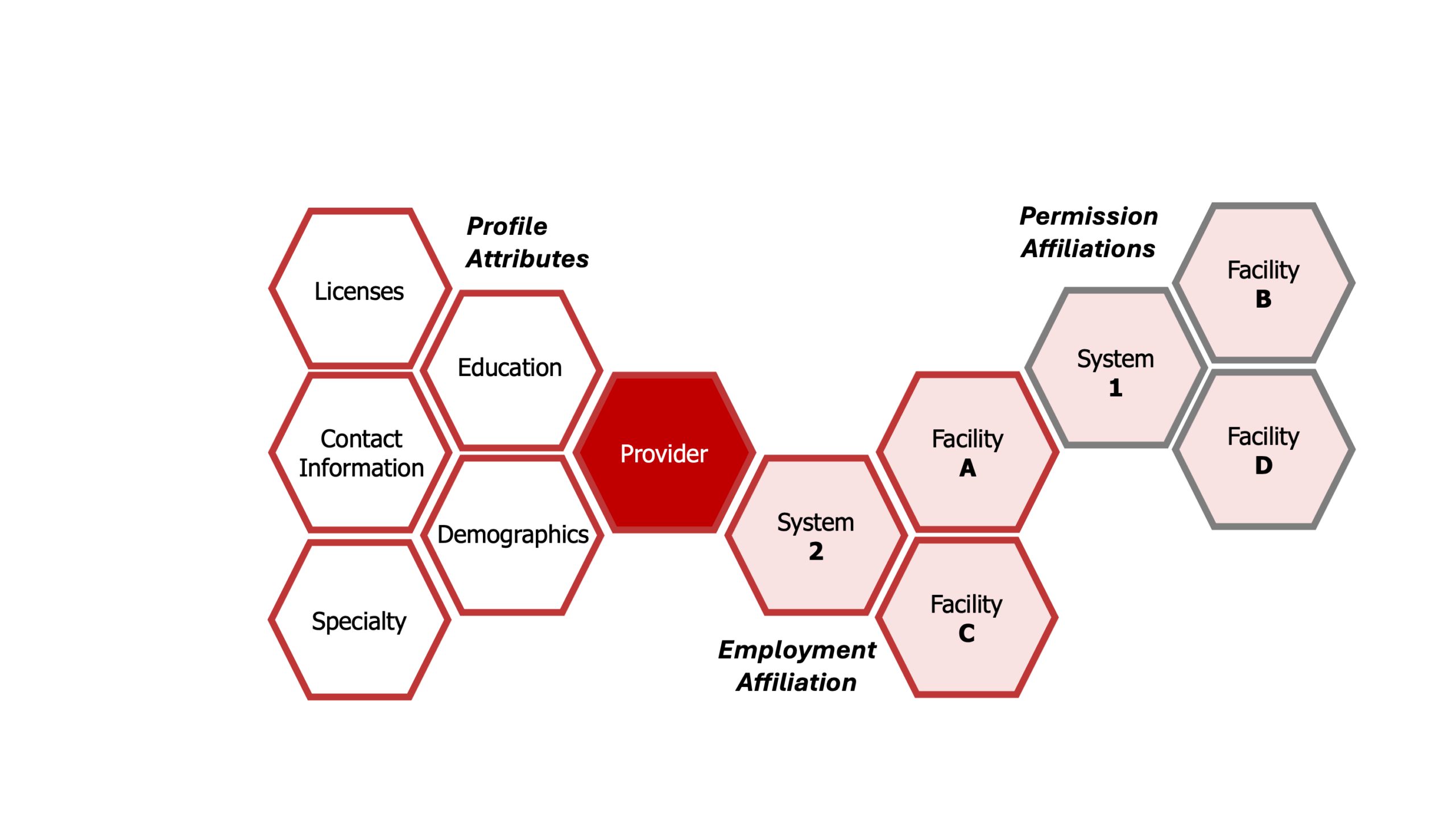
As a profession where knowledge is accumulated both through intensive study and through on-the-job training, every physician’s approach to practicing medicine is different. This variability is rooted in their professional journey and experience accumulated along the way, including:
- Their training history, including which medical school they attended and where they did their residency
- Who they practiced with and the era of medicine they practiced in
- Their personal approach to innovation and their relationship with pharmaceutical companies
Their practice patterns are also influenced (or constrained) by the facilities in which they provide care, and the health systems for whom they work. Facilities with more resources allow for a greater variety of diagnostic and treatment options, easier referrals, etc., while the system may enforce certain treatment pathways or, through health insurance affiliations, certain drug formularies. For a complete understanding of treatment choices and the resulting patient outcomes, analysts need to include these additional variables:
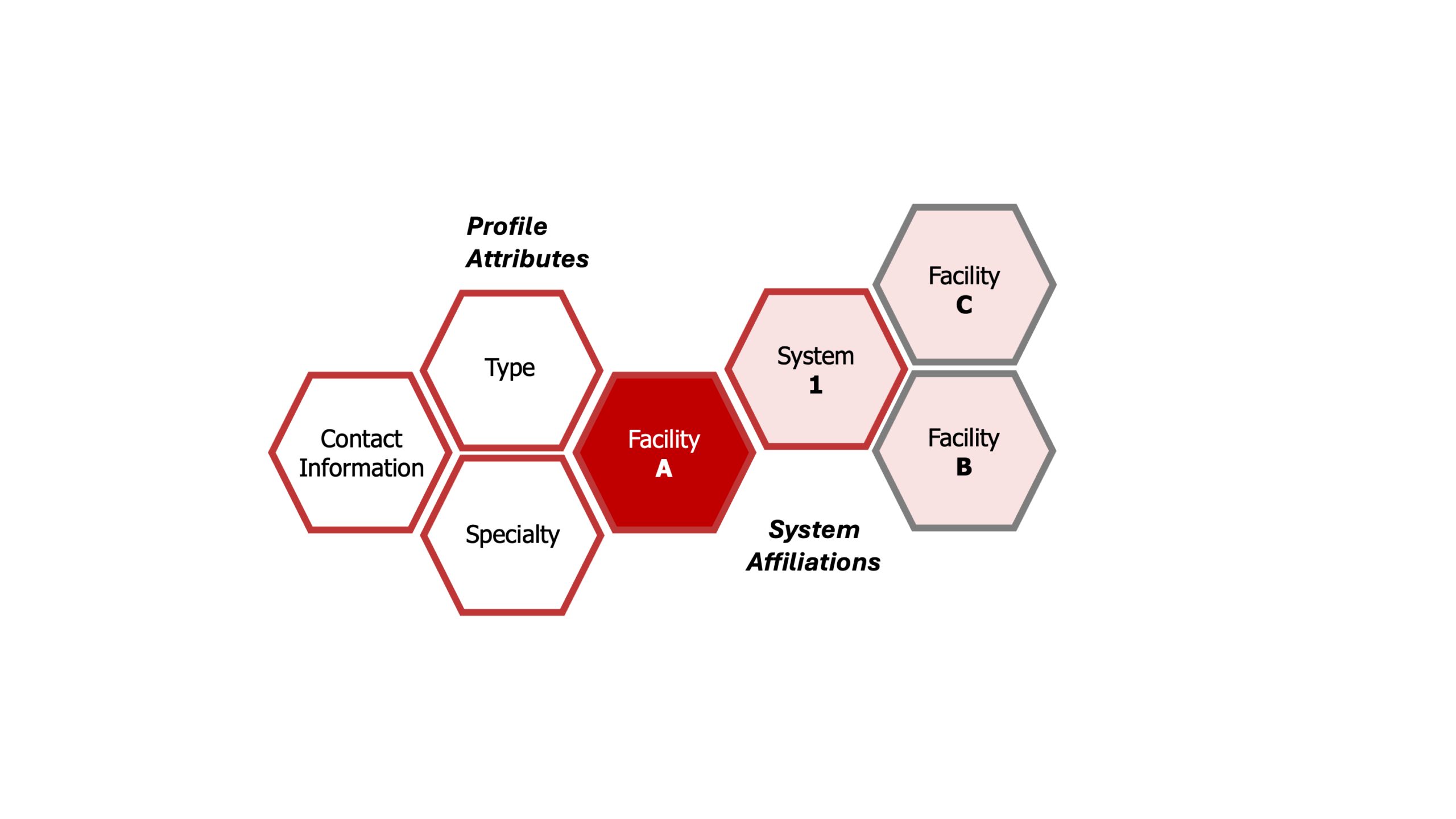
Facility and Health System Profile Data: The Constraints of the Environment
A physician’s clinical approach is heavily influenced by the environment surrounding them:
- The capabilities of the facilities they work in
- The policies and preferences of the health system or integrated delivery network (IDN) they belong to
- The peers they work with
- The referral network available to them
These system resources become deterministic of the treatment pathway a physician pursues, and these variables should be considered when modeling or measuring the choices a physician makes and the outcomes of patients treated at these facilities:
The Payoff of Adding Contextual Provider and Treatment Setting Data
By illuminating additional provider and treatment setting information, contextual data empowers all stakeholders to better understand, and predict, the “why” behind treatment decisions and differing health outcomes:
- Deeper segmentation: analyze treatment patterns and outcomes by more physician background and resources to create more nuanced cohorts for studies, marketing, or targeting
- More predictive models: feed additional variables into AI and other models to create more accurate risk and behavior models
- More accurate patient journeys: Gain better insight into referral paths, testing and prescribing patterns, and drivers of variability
Context is the new currency of healthcare analytics and AI. Adding contextual data, whether it is mortality information or provider backgrounds and affiliations, is no longer difficult. As such, it is a strategic imperative for any healthcare organization committed to achieving analytical depth and more accurate and useful findings.